Bomega: The Bold Display Font That Brings Food Branding to Life
In the visually saturated world of culinary marketing, standing out is not just a goal; it is a survival strategy. Whether you are launching a new street food truck, redesigning a packaging label for artisanal snacks, or crafting the menu for a cozy noodle shop, the typography you choose acts as the voice of your brand before a customer even tastes the food. This is where Bomega enters the conversation. As a bold and playful display font designed specifically for the food industry, Bomega offers a unique solution to the challenge of capturing attention in a crowded marketplace. It is a typeface that doesn't just sit on the page; it invites, engages, and energizes.
Understanding the Challenge of Food Typography
Designing for the food sector presents a specific set of hurdles. Many brands struggle with finding a typeface that balances professionalism with approachability. Serif fonts can often feel too corporate or stiff for a fun dining experience, while standard sans-serifs might lack the personality needed to convey flavor and warmth. There is a frequent disconnect between the font used and the sensory experience of the food.
For example, a spicy ramen brand needs a visual identity that feels as bold and intense as its broth. If the typography is too thin or sterile, the message gets lost. Similarly, a family-friendly snack brand needs to project safety and fun, not high-tech minimalism. The goal is to bridge the gap between visual identity and gustatory experience. Bomega was developed to address this exact need, providing a visual shorthand for "delicious," "fun," and "satisfying."
The Anatomy of Bomega: Why It Works for Food
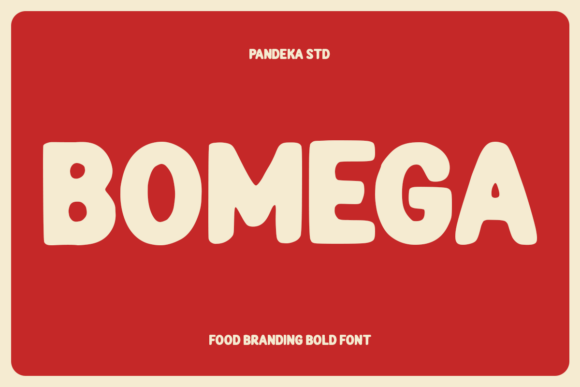
The efficacy of Bomega lies in its design characteristics. It features rounded bold shapes that mimic the visual language of food itself—think of the curves of a dumpling, the roundness of a burger bun, or the hearty texture of hand-pulled noodles. These soft, thick strokes create a subliminal sense of comfort and fullness.
- Rounded Bold Shapes: The curvature of the letters removes the harshness often associated with heavy fonts, making the text feel tactile and friendly.
- Single Regular Style: By focusing on a single, highly polished weight, Bomega ensures consistency. It removes the guesswork of pairing different weights and allows the font to be an immediate workhorse for any project.
- Cheerful Weight: The "heaviness" of the font conveys substance and value, implying that the brand offers generous portions or rich flavors.
Unlike complex display fonts that sacrifice legibility for style, Bomega maintains high readability. It includes uppercase, lowercase, numerals, and punctuation, making it a complete tool for everything from headline logos to pricing on a menu board.
Practical Applications: Where to Use Bomega
The versatility of Bomega allows it to adapt to various media within the food industry. Its primary strength is in branding and identity, but its utility extends far beyond the logo.
1. Restaurant Identities and Menus
For a restaurant owner, the menu is the primary sales tool. Bomega excels in headers and category titles. Because it is a display font, it draws the eye immediately to specific sections like "Specials" or "Desserts." Its playful nature softens the dining experience, making customers feel relaxed and ready to enjoy their meal. For noodle shops or street food stalls, using Bomega on signage creates an inviting atmosphere that feels bustling and energetic, even before the customer walks through the door.
2. Packaging and Labeling
In the retail aisle, you have approximately three seconds to grab a shopper's attention. Bomega provides the visual impact necessary to stop a cart. For snack packaging, the font’s bold strokes ensure the brand name is visible even on cluttered shelves. It works exceptionally well for brands that want to emphasize a "homemade" or "artisanal" vibe without looking messy. The rounded characters suggest that the product inside is approachable and safe to consume.
3. Promotional Materials and Digital Marketing
Food marketing often relies on high-energy visuals. When creating flyers for a grand opening, social media posts for a happy hour, or stickers for delivery boxes, Bomega provides the necessary pop. Its cheerful character style pairs well with high-contrast color palettes, making it ideal for call-to-action phrases like "Order Now" or "Fresh Daily." The font carries a sense of motion, which is excellent for brands that want to convey speed and efficiency, such as delivery services.
Tailoring Bomega to Different Brand Personalities
While Bomega is categorized as a food font, how it is implemented can shift the brand personality significantly. Different users will approach this typeface to achieve distinct outcomes.
- The Street Food Vendor: This user wants raw energy. They might pair Bomega with bright, clashing colors and textured backgrounds to create a gritty, urban feel. The font’s boldness helps shout over the noise of a busy market.
- The Artisan Baker: A bakery might use Bomega in a softer pastel palette. By utilizing the lowercase letters, the bakery can highlight the "friendly" and "rounded" aspects of the font, creating a welcoming, grandmotherly aesthetic.
- The Modern Fusion Restaurant: For a more upscale but casual concept, Bomega can be used sparingly for impact. It might be the headline font on a website, paired with a clean, minimal sans-serif for body text. This balances the playful nature of Bomega with the cleanliness required for a modern dining experience.
Implementation Tips for Maximum Impact
To get the most out of Bomega, it is important to treat it as a display asset rather than a body text solution. Because it is bold and character-heavy, using it for long paragraphs can cause visual fatigue. Instead, reserve it for short bursts of information where impact is key.
Consider the spacing. Because Bomega has a robust presence, it often benefits from slightly tighter tracking (letter spacing) in logos to make the letters feel like a cohesive unit. However, on signage, standard or slightly looser spacing ensures legibility from a distance.
Color plays a vital role. Bomega shines brightest when contrasted against solid backgrounds. A white Bomega headline on a deep red background evokes a classic diner feel, while black Bomega on a bright yellow background screams snack food energy. The font is sturdy enough to handle small decorative elements, but avoid cluttering the letters themselves; let the shape of the font do the talking.
The Outcome: Building Flavor Through Design
Ultimately, the goal of food branding is to make the customer hungry. A typeface like Bomega acts as a visual appetizer. It sets the mood and prepares the palate. By adopting a font that is inherently cheerful and rounded, brands can bypass the coldness of corporate design and speak directly to the customer's emotional connection with food.
For designers and business owners, Bomega offers a practical, stylish, and highly effective tool. It solves the problem of finding a font that is both professional and playful. Whether you are wrapping a burrito, labeling a jar of jam, or designing a billboard for a burger chain, Bomega provides the bold visual charm necessary to turn heads and fill seats. It is not just a typeface; it is a recipe for successful visual communication in the culinary world.