Art Doodle: An Evaluation of the Whimsical Dingbats Font
In the landscape of digital typography, where serif and sans-serif fonts dominate professional correspondence, there is a distinct niche for typefaces designed to evoke emotion and personality. Art Doodle represents a specific category of font known as a "dingbats" typeface. Unlike traditional text fonts used for readability, Art Doodle consists of a collection of artistic symbols, illustrations, and doodles mapped to standard keyboard keys. It is designed to infuse a playful, hand-drawn aesthetic into various creative projects. For designers and hobbyists looking to move beyond standard text, understanding the utility, limitations, and application of Art Doodle is essential for determining if it aligns with their creative needs.
Understanding the Nature of Dingbats
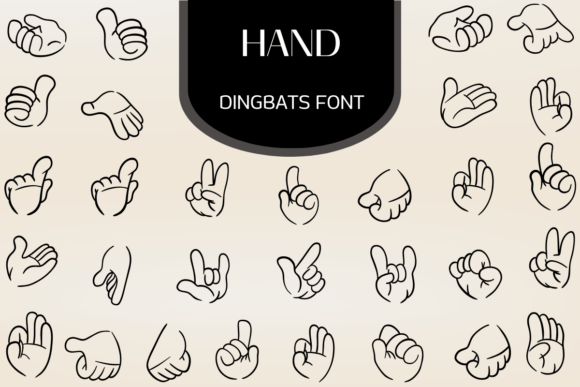
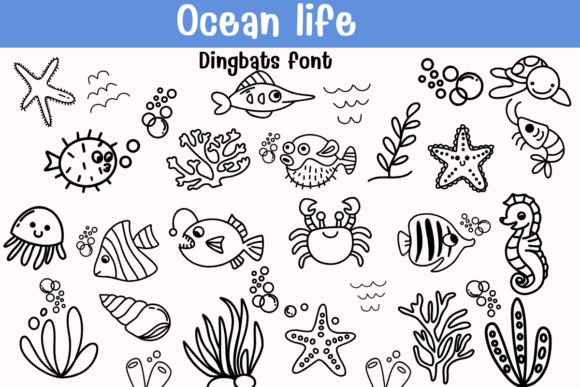
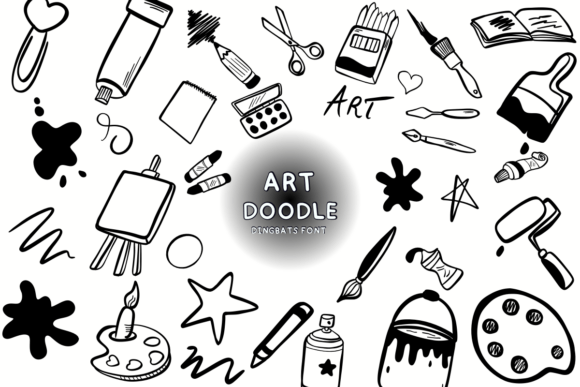
Before evaluating Art Doodle specifically, it is helpful to understand the nature of dingbats fonts. Historically, dingbats were typographic elements used to add visual flair, such as flowers, stars, or geometric shapes. Modern artistic dingbats, like Art Doodle, have evolved to include complex illustrations. When a user installs Art Doodle and types on their keyboard, instead of letters or numbers, they generate various doodle-style images. This allows for the rapid creation of visual elements without the need for separate vector files or illustration software, provided the user has access to a character map to identify which key corresponds to which image.
Core Characteristics and Aesthetic Appeal
The primary appeal of Art Doodle lies in its artistic style. The font is characterized by a whimsical, imaginative flair that mimics the look of hand-scribbled notes or sketches. This style is intentionally imperfect, designed to look organic and human-made rather than digitally sterile. The illustrations typically range from abstract swirls and borders to recognizable objects and characters.
This aesthetic makes Art Doodle a strong candidate for projects where the goal is to create a sense of warmth, informality, or creativity. It is frequently used in:
- Greeting Cards: Adding a bespoke, hand-crafted feel to invitations or thank-you notes.
- Stationery: Enhancing the margins of notebooks or the headers of letterheads with playful imagery.
- Educational Materials: Creating engaging worksheets or flashcards for children.
- Social Media Graphics: Adding visual interest to Instagram stories or Pinterest pins without heavy editing.
Evaluating the Benefits: Versatility and Efficiency
When considering Art Doodle for a project, the primary benefit is efficiency. For users who do not possess advanced graphic design skills or access to expensive software, a dingbats font offers a low barrier to entry. By simply changing the font in a word processor or design tool, a user can access hundreds of illustrations. This versatility allows the font to be applied across a wide range of mediums, from digital content to print-on-demand products like mugs, tote bags, and trendy shirts.
Furthermore, because the elements are generated as text, they are vector-based in nature (depending on the file format). This means they can often be scaled to different sizes without losing resolution, a crucial feature for projects ranging from small stationery details to large eye-catching banners. The consistency of the line weight across the entire character set also ensures that designs look cohesive, rather than a patchwork of images sourced from different artists.
Considerations and Tradeoffs
While Art Doodle offers significant creative potential, there are practical considerations to weigh. The most significant tradeoff when using any dingbats font is the lack of semantic meaning. Because the images are mapped to letters, a screen reader will read the underlying text (e.g., "letter A") rather than describing the image (e.g., "a flower"). This makes Art Doodle inaccessible for web design where SEO and accessibility are priorities. It should not be used for body text or critical information delivery on websites.
Another consideration is the learning curve associated with selection. Unlike a standard clipart library where you can browse thumbnails, using a dingbats font often requires consulting a "key map" or character map to find the specific doodle you need. This can interrupt the creative workflow for users who prefer visual browsing.
Decision-Making Insights: When to Use Art Doodle
To determine if Art Doodle is the right tool for your project, consider the following decision-making criteria:
- The Medium of Delivery: Art Doodle is an excellent fit for print products and rasterized digital graphics (like JPGs or PNGs for social media). It is generally a poor fit for live web text or user interfaces where accessibility standards must be met.
- The Desired Tone: If the project requires a serious, corporate, or minimalist tone, Art Doodle will likely feel out of place. It is best suited for contexts that embrace playfulness, whimsy, and artistic flair.
- Technical Requirements: If you require total control over individual anchor points or need to modify the illustrations significantly, a dedicated vector illustration file (SVG or AI) is superior. However, if you need quick, consistent motifs for a layout, the font format is highly efficient.
Situations Where Alternatives May Be Better
While Art Doodle is versatile, there are scenarios where alternatives are worth considering.
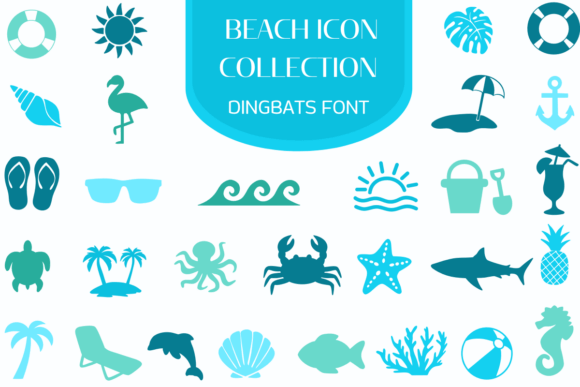
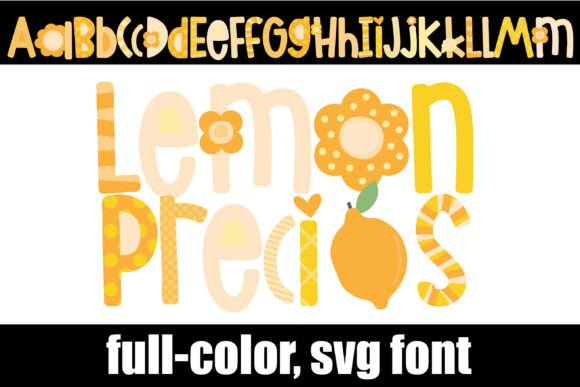
- Complex Illustrations: If your design requires detailed, multi-colored illustrations, a standard dingbats font is limited. Most dingbats are monochromatic. In this case, using a vector clipart pack or a PNG overlay would provide more visual depth.
- Brand Consistency: If you are designing for a brand that has a specific illustration style, relying on a pre-made font like Art Doodle may result in generic-looking designs. Commissioning custom illustrations ensures uniqueness.
- Text-Heavy Projects: For projects where the focus is on readability, such as long-form articles or books, Art Doodle should only be used for decorative drop caps or chapter headings, never for the body copy.
Conclusion
Art Doodle serves as a bridge between typography and illustration, offering a practical solution for adding artistic whimsy to design projects. It is a strong choice for creators looking to elevate greeting cards, stationery, and social media posts with a playful, hand-drawn touch without the overhead of complex design software. However, it is not a universal solution. Its limitations regarding accessibility and color complexity mean it functions best as a decorative accent rather than a primary content driver. By evaluating the specific needs of your project—specifically the tone, medium, and technical requirements—you can effectively decide whether Art Doodle is the right asset to unleash your creativity.