Integrating the Wireframe Font into Professional Creative Workflows
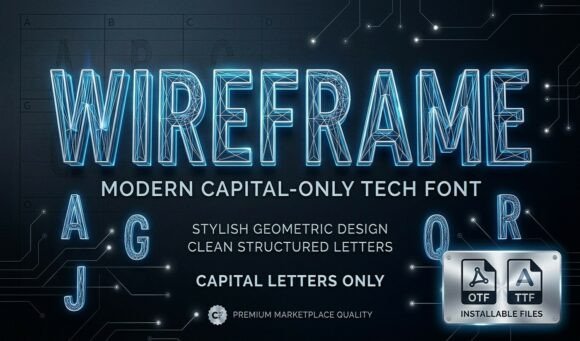
In the landscape of modern design, typography often serves as the structural backbone of a layout, but occasionally a project demands a disruption to that structure. Introducing Wireframe, a highly unique and artistic display font that abandons the polished vectors of modern design for a raw, hand-sketched aesthetic. This typeface is not merely a collection of letters; it is a texture in itself, featuring a distinct wireframe look that mimics the construction lines and scribbles of a draftsperson’s notebook. For the creative professional, understanding how to deploy such a specific tool is crucial. It requires a shift in mindset from legibility and neutrality to expression and atmosphere. Wireframe is designed to stand out, making it an invaluable asset in the arsenal of designers, marketers, and content creators who need to convey authenticity, edge, and artistic flair.
Defining the Aesthetic: The Anatomy of Wireframe
Before integrating a font into a workflow, one must understand its technical and visual characteristics. Wireframe is categorized as a display or headline font, meaning it is optimized for impact rather than body text. Its defining feature is its textured, almost scribbled appearance. Unlike clean sans-serifs or traditional serifs, this font looks as though it has been drawn with a technical pen on grid paper. This "unfinished" quality is its greatest strength, offering a tactile feel in a digital medium.
Because of this detailed texture, Wireframe behaves differently depending on scale. At smaller sizes, the intricate lines can merge and become illegible, turning into visual noise. However, when utilized at larger sizes for headlines, titles, or hero text, the font shines. The individual strokes become clear, allowing the viewer to appreciate the raw, textured artistry. This scalability is a critical factor in the planning phase of any design project; using Wireframe requires allocating significant real estate on the canvas to allow the typeface to breathe and express its full character.
Strategic Implementation: Finding the Right Context
The utility of a font like Wireframe extends beyond simple aesthetics; it is a strategic choice that signals a specific brand voice. It fits seamlessly into projects that aim to stand out from the polished, corporate sheen of mainstream marketing. This makes it ideal for edgy poster designs, grunge-style apparel, and bold logo marks. For instance, a startup targeting a young, counter-culture demographic might find that Wireframe perfectly captures their rebellious spirit, whereas a financial institution would find it inappropriate.
In a broader creative process, Wireframe often enters the workflow during the "Conceptualization" or "Mood Boarding" phase. It is a tool for setting a tone. When designing album covers, for example, the font can immediately evoke a sense of raw energy, DIY ethos, or mechanical deconstruction. Similarly, in creative crafting projects—such as vinyl cutting for signage or scrapbooking—Wireframe offers a hand-made look without the inconsistency of actual handwriting, providing a reliable yet artistic vector for cutting machines.
Workflow Integration: From Concept to Execution
Integrating Wireframe into a professional workflow requires a deliberate approach to file management and design hierarchy. Because display fonts are high-impact, they should be used sparingly to maintain their effectiveness. A practical workflow for a poster design, for example, might look like this:
- Selection Phase: Identify the project's emotional goal. If the goal is "edgy," "industrial," or "artistic," Wireframe is shortlisted.
- Pairing Strategy: Never use a display font for body copy. Wireframe should be paired with a clean, highly legible sans-serif font (like Helvetica, Roboto, or Open Sans) for secondary information. This contrast ensures the headline grabs attention while the body text remains readable.
- Typography Hierarchy: Assign Wireframe exclusively to the H1 (Main Title) or the Logo Mark. Do not use it for subtitles or buttons, as the texture may reduce click-through rates due to lower legibility on screens.
- Scale Testing: During the prototyping stage, test the font at various sizes to find the "sweet spot" where the texture is visible but the text is still decipherable.
Compatibility and Technical Considerations
One of the most practical aspects of working with Introducing Wireframe is its interaction with background elements. Due to its detailed, wireframe texture, this font works best on solid, contrasting backgrounds. Placing it over a busy photograph or a complex gradient can cause visual clutter, making the text blend into the background and lose its impact. For optimal implementation:
- Background Isolation: Use a solid color overlay or a simple geometric shape behind the text to separate Wireframe from the background image.
- Color Application: Monochromatic color schemes often work best. White text on a black background, or black text on a Kraft paper texture, enhances the "sketch" aesthetic.
- Software Rendering: Ensure that the design software (such as Adobe Illustrator, Photoshop, or Affinity Designer) has anti-aliasing settings adjusted for the specific size of the font to keep the lines crisp.
Use Cases Across Industries
The versatility of Wireframe allows it to cross boundaries between different professional sectors. For freelancers and small business owners, this font offers a way to create distinct branding assets without commissioning custom lettering.
Apparel and Merchandise
In the fashion industry, particularly within the streetwear and alternative markets, typography is a primary design element. Wireframe is perfectly suited for screen printing on t-shirts, hoodies, and tote bags. Its rough edges hide minor imperfections in the printing process, and its bold structure ensures visibility from a distance. A designer can use Wireframe to create a "vintage industrial" look that appeals to consumers looking for unique, expressive clothing.
Digital Marketing and Social Media
For marketers and content creators, grabbing attention in a crowded feed is paramount. The unique silhouette of Wireframe breaks the pattern of standard web fonts. When creating YouTube thumbnails, Instagram stories, or header images for blog posts, using this font for a single keyword or the title can significantly increase engagement. It signals to the viewer that the content is creative, edgy, or artistic, setting the right expectation before they even click.
Event Promotion and Poster Design
Music festivals, art exhibitions, and underground events rely heavily on visual identity. Wireframe aligns perfectly with the "grunge" aesthetic often associated with these events. It mimics the look of zine culture and DIY flyers, lending an air of authenticity and raw energy to the promotion. It is particularly effective for album covers, where the visual packaging needs to reflect the sonic texture of the music.
Long-Term Use and Brand Consistency
While Wireframe is a powerful tool, it should be viewed as a specialized instrument rather than a daily driver. Overusing a textured display font can dilute its impact and make a brand look chaotic. For long-term use, it is advisable to use Wireframe for specific campaigns, seasonal collections, or particular product lines, rather than as the primary typeface for all corporate communications.
Maintaining consistency means documenting exactly how the font is used. A brand style guide should specify that Wireframe is used only for "High-Impact Headlines" or "Artistic Sub-branding." It should also define the minimum size at which the font can be printed or displayed to ensure quality control. By treating Wireframe as a distinct element of the visual identity, creators can maintain a professional structure while still leveraging the raw, artistic energy of the typeface.
Ultimately, Introducing Wireframe is about adding a human touch to digital design. It bridges the gap between the precision of vector software and the imperfection of the human hand. For the creator who understands when and how to use it, it is a formidable asset that transforms standard layouts into memorable visual experiences. Whether used on a massive billboard or a digital album cover, it demands attention and delivers a distinct, edgy personality that polished fonts simply cannot replicate.