The Precision of Tradition: Integrating the Katana Font into Modern Visual Communication
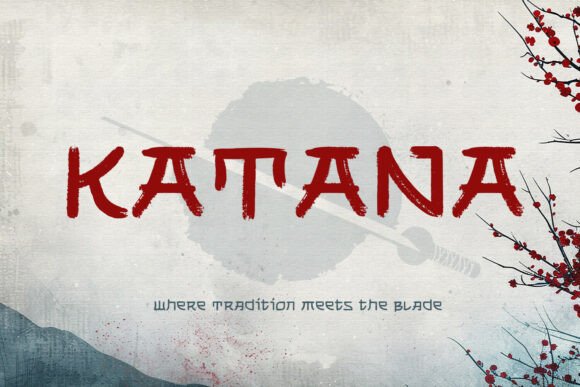
In the realm of graphic design and typography, the choice of typeface is rarely merely decorative; it is a semantic decision that conveys history, mood, and intent before a single word is read. Among the vast library of display fonts available to contemporary creators, Katana stands out as a distinct bridge between ancient Eastern aesthetics and modern digital layouts. This oriental display font is not just a collection of characters; it is a visual language that mimics the deliberate, physical strokes of a sumi-e brush, offering a rugged, hand-painted texture that commands attention. Understanding how to deploy such a specific and stylized font requires a nuanced approach to design theory, ensuring that its bold, angular construction enhances rather than overwhelms the message.
Understanding the Aesthetic of the "Rugged Brush"
To effectively utilize a font like Katana, one must first appreciate the cultural and artistic lineage it draws upon. The font is designed to evoke the discipline of ancient craftsmanship, specifically referencing the calligraphic traditions of East Asia. In traditional calligraphy, the "bone" of the character—the underlying structure—must be strong, while the "flesh"—the ink application—provides texture and life. Katana replicates this through its weathered edges and bold construction. Unlike geometric sans-serifs that rely on mathematical perfection, this font embraces organic imperfections.
The texture of the font is particularly significant. It does not look like a vectorized, sterile shape; rather, it mimics the way ink bleeds into rice paper or the way a heavy brush drags across a canvas. This visual characteristic creates an immediate sense of tactility. For a viewer, seeing Katana on a screen or page subconsciously suggests a physical origin—it looks "made" rather than "generated." This quality is essential for designers seeking to inject warmth, authenticity, or a sense of history into digital-first projects. The weathered edges suggest a story, implying that the text has endured the elements, much like the blade from which the font takes its name.
Practical Applications: Where Tradition Meets Modernity
The versatility of a display font lies in its ability to adapt to various media while retaining its core identity. Katana is best used in environments where the visual impact is paramount and the subject matter benefits from a strong, cultural, or martial aesthetic. It is not intended for body text due to its intricate texture, but as a header or logo typeface, it is incredibly potent.
Martial Arts and Combat Sports
The most immediate application for Katana is in the branding of martial arts. Whether for a traditional dojo, a modern MMA gym, or a competitive tournament, the font communicates discipline, strength, and combat readiness. The angular construction mirrors the geometry of fighting stances and weaponry. When used on signage, merchandise, or digital banners, the font instantly establishes a tone of respect for the art form and the physical rigor involved.
Cinematic and Gaming Interfaces
In the entertainment industry, specifically within the realms of cinema and video games, immersion is the primary currency. Katana excels in creating interfaces (UI) and title cards for projects set in historical Asia or fantasy worlds inspired by Eastern mythology. For a video game, the font’s weathered texture blends seamlessly with atmospheric backgrounds—be it a misty mountain pass or a rain-soaked neon city in a cyberpunk setting. It provides the "authentic Eastern aesthetic" necessary to ground the player in the game world without appearing generic.
Culinary Branding and Packaging
The food industry relies heavily on visual cues to signal flavor profiles. For Asian-fusion restaurants or producers of artisanal sauces, Katana offers a way to distinguish products on a crowded shelf. Unlike standard serif fonts that might suggest a corporate or mass-produced feel, the hand-painted nature of Katana suggests homemade quality and traditional recipes. It signals to the consumer that the product values authenticity over industrial uniformity.
Strategic Implementation and Design Considerations
While Katana offers a striking visual, its effectiveness depends heavily on the context in which it is placed. Designers must navigate the balance between legibility and style, particularly when dealing with high-texture display fonts.
Contrast and Hierarchy
Because Katana is visually dense and textured, it requires significant breathing room. Attempting to use it in tight spaces or against busy backgrounds can result in a cluttered appearance where the letters lose their definition. The most effective use of Katana often involves pairing it with a clean, minimal sans-serif font for secondary information. This contrast creates a clear visual hierarchy: the bold, emotional impact of the display font draws the eye, while the clean body text provides the necessary information for reading.
For example, on a cinematic poster, the title rendered in Katana might dominate the upper half of the composition, while the credits and tagline use a condensed sans-serif. This prevents the design from becoming visually fatiguing and ensures that the "rugged" texture of the title remains a focal point rather than a distraction.
Color and Texture Interactions
The "weathered edges" of the font are a defining feature, but they can be lost if the color contrast is too low. High-contrast color combinations—such as white text on a dark charcoal background or deep red on off-white—tend to preserve the integrity of the brush strokes. Furthermore, designers can experiment with texture overlays. Since Katana mimics a hand-painted surface, layering it over physical textures like paper grain, concrete, or wood can enhance the realism of the design. However, care must be taken to ensure the texture of the background does not compete with the texture of the font.
Cultural Sensitivity and Context
When employing a font that draws heavily from a specific cultural heritage, context matters. While Katana is a digital tool available to anyone, its aesthetic roots are specific. It is most effective when the content it represents aligns with the values of craftsmanship, strength, or cultural appreciation. Using such a font for unrelated or trivial subjects can sometimes create a dissonance in the viewer's mind. However, when used in book covers dealing with historical fiction or educational materials about Eastern philosophy, the font acts as a visual anchor that reinforces the subject matter.
The Psychology of the Blade
Typography influences emotion. The psychological impact of Katana is rooted in its association with the sword—a symbol of precision, danger, and honor. The sharp, angular construction of the letterforms suggests decisiveness. There is no ambiguity in a font that looks like it was cut or brushed with such deliberate force. This makes it an excellent choice for calls to action (CTAs) or headlines where the goal is to provoke an immediate reaction.
In a consumer landscape saturated with soft, rounded, "friendly" fonts, the ruggedness of Katana provides a counterpoint. It appeals to an audience that values strength and heritage. For business owners, utilizing this font can signal a commitment to quality and a refusal to cut corners—metaphorically aligning the brand with the discipline required to forge a blade or master a martial art.
Technical Adaptability
From a technical standpoint, high-quality display fonts like Katana are optimized for various rendering environments. Whether the final output is a high-resolution print for a book cover or a compressed asset for a mobile gaming interface, the font must maintain its structural integrity. The "weathered" nature of the font actually assists in this regard; slight pixelation or compression artifacts can sometimes blend into the intentional texture, making it more forgiving than a clean, geometric vector font where every flaw is noticeable.
For web designers, implementing Katana requires attention to loading times and fallbacks. Given its stylistic nature, it is often best served as a web font for specific headers rather than loading the entire weight for a single logo. This ensures that the "sharp precision of tradition" does not come at the cost of modern website performance.
Conclusion: A Tool for Storytelling
Ultimately, Katana is more than a typeface; it is a storytelling device. It allows creators—from hobbyists designing a personal project to professionals crafting a global campaign—to tap into a rich visual vocabulary of Eastern tradition and disciplined craftsmanship. By understanding its characteristics, respecting its aesthetic weight, and applying it with strategic intent, designers can ensure that this font serves as a powerful asset in their creative arsenal, cutting through the noise of modern visual clutter with the sharp precision of a blade.