Kindfield: Bridging Mid-Century Charm and Modern Design Needs
In the fast-paced world of digital content and brand identity, the choice of typography often determines the first impression a viewer forms. While sans-serif fonts have long dominated the digital landscape for their clean legibility, there has been a distinct and growing shift toward typefaces that possess more warmth and personality. This is where Kindfield enters the conversation. It is not merely a set of characters; it is a design tool that bridges the gap between the sentimental allure of the past and the functional demands of the present. By drawing inspiration from mid-century design and vintage advertising, Kindfield offers a solution for creators who want their work to feel established, trustworthy, and distinctively human.
The Resurgence of Vintage Aesthetics in Branding
To understand the relevance of a font like Kindfield, one must look at the current trajectory of branding and visual communication. We are witnessing a "retro-revival," but it is not a simple copy of the past. Instead, modern brands are borrowing the emotional weight of vintage design—specifically the optimism and craftsmanship associated with the mid-20th century—and applying it to contemporary contexts. This trend stems from a desire to stand out in a sea of minimalist, geometric sans-serifs that, while functional, can often feel sterile or generic.
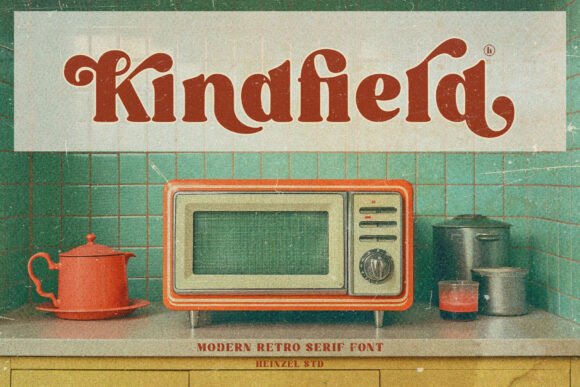
Kindfield addresses this shift directly. Its design features soft curves and bold serifs that evoke a sense of nostalgia. However, it avoids the common pitfall of retro fonts, which is often poor readability on modern screens. By integrating a modern touch into its letterforms, Kindfield ensures that the nostalgic vibe does not compromise the user experience. For entrepreneurs and business owners, this means being able to tap into the current market preference for "authenticity" without sacrificing clarity. A brand using Kindfield signals that it values heritage and quality, yet remains relevant to today's consumer expectations.
Design Characteristics That Define the Font
The visual personality of a typeface is defined by its details, and Kindfield possesses several distinctive traits that set it apart. The "charming letterforms" are not just a marketing description; they refer to the subtle imperfections and organic shapes found within the font's anatomy. Unlike the rigid geometry of modernist type, Kindfield features softer terminals and bracketed serifs that guide the eye gently across the page.
This design philosophy makes it particularly effective for editorial design and headlines. In editorial layouts, a headline needs to grab attention immediately while still promising engaging content. Kindfield achieves this by offering a bold, confident presence that does not feel aggressive. It is a typeface that whispers rather than shouts, yet its voice is clear. For designers working on packaging, these characteristics are invaluable. A product on a shelf has only a few seconds to communicate its value. The vintage advertising aesthetic of Kindfield can instantly communicate that a product is artisanal, high-quality, or rooted in tradition—associations that are highly prized in markets ranging from craft beverages to skincare.
Practical Applications for Modern Creators
For the modern freelancer or creative professional, versatility is a key requirement when selecting assets. A font that can only be used in one specific context offers poor value. Kindfield, however, demonstrates significant range. Its structure allows it to function effectively across a variety of mediums, adapting to the specific needs of the project at hand.
- Logo Design: Because of its bold serifs and distinct personality, Kindfield serves as a strong foundation for logotypes. It allows a brand to have a "voice" embedded directly in its visual mark, making the logo memorable and unique.
- Apparel and Merchandise: The fashion industry often cycles through trends, and the current appetite for retro-styled graphics is strong. Kindfield works exceptionally well on apparel, where the text needs to be legible from a distance but also stylish enough to be worn as a design element.
- Digital and Print Readability: One of the challenges with retro fonts is their performance in body copy. While Kindfield shines in headlines, its clean construction ensures it remains readable in shorter blocks of text, making it a viable option for blog headers, social media graphics, and website banners.
Consider the workflow of a graphic designer creating a brand identity for a new coffee roaster. They need a typeface that communicates warmth, morning comfort, and a connection to the ritual of coffee drinking. Kindfield fits this narrative perfectly. It can be used on the logo, the packaging, and the website headers to create a cohesive visual story that resonates with the target audience. This ability to unify different aspects of a brand's presence is a practical advantage that saves time and enhances the final product's professionalism.
Balancing Style with Usability
A critical aspect of modern typography is the balance between aesthetic appeal and technical usability. In the past, decorative or retro fonts were often relegated to display use because they failed to render well at smaller sizes or on low-resolution screens. However, as technology has evolved, so has the capability of font designers to create complex typefaces that maintain integrity across devices.
Kindfield is a product of this evolution. While it embraces the aesthetics of the past, it is built with modern font engineering. This means that whether the text is being viewed on a high-resolution retina display or printed on textured paper, the letterforms hold up. For marketers and content creators, this reliability is crucial. A beautiful font that breaks down or becomes illegible when scaled is a liability. Kindfield offers the peace of mind that the visual impact will remain consistent, regardless of the application.
Furthermore, the "warm, nostalgic feel" of the font can play a psychological role in user engagement. In an era of rapid information consumption, text that feels familiar and comforting can encourage readers to slow down and engage with the content. This is particularly relevant for bloggers and educators who are competing for attention. By using a typeface like Kindfield, they can create a reading environment that feels less clinical and more inviting, potentially increasing the time users spend on the page.
The Future of Typography: Authenticity and Character
Looking ahead, the trajectory of typography suggests a continued move toward designs that prioritize human connection. The perfection of digital vector graphics has, in some ways, made design feel too perfect, too polished. Users are increasingly responding to designs that feel handcrafted or organic. Kindfield is well-positioned within this landscape because it offers character without sacrificing the professionalism required for business applications.
It is important to note that using a font with such a strong personality requires a thoughtful approach. It should not be treated as a universal replacement for standard body text. Instead, it should be used strategically to highlight key messages and establish a specific tone. For example, a website might use a clean sans-serif for its navigation and body text, but employ Kindfield for all major headings and calls to action. This hierarchy creates a visual rhythm that is both functional and aesthetically pleasing.
Ultimately, Kindfield represents a tool for differentiation. In a crowded marketplace, whether that marketplace is for physical products, digital services, or creative content, the details matter. The choice to use a retro serif font with modern sensibilities is a choice to prioritize personality and emotional resonance. For the designer, the entrepreneur, or the hobbyist looking to elevate their work, Kindfield offers a way to honor the design principles of the past while meeting the demands of the future. It is a reminder that good design is not just about what is new, but about what endures.