Sephine: The Modern Serif Font Redefining Elegant Typography
In the vast landscape of digital typography, finding a font that balances timeless elegance with contemporary flair can feel like searching for a needle in a haystack. Sephine emerges as a compelling solution, a modern serif typeface designed to bridge the gap between classic sophistication and clean, current design. It’s more than just a set of characters; it’s a versatile tool for creators who want to inject personality and professionalism into their work without sacrificing readability.
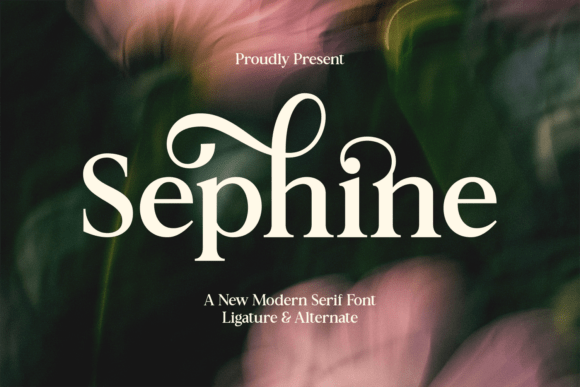
At its core, Sephine is a study in refined contrast. Its letterforms are built on a foundation of classic serif structure, offering the familiar authority and readability that serif fonts are known for. However, where it distinguishes itself is in its subtle, artistic details. The strokes exhibit a gentle modulation, and the terminals often end in a soft, teardrop shape, giving the font a warm, humanistic feel even in its most formal applications. This careful balance makes Sephine feel both established and fresh, avoiding the starkness of purely geometric sans-serifs and the sometimes rigid formality of traditional serifs like Times New Roman.
The Artistry in the Details: Ligatures and Swashes
What truly sets Sephine apart are its sophisticated OpenType features, particularly its beautiful ligatures and alternate swashes. Ligatures are custom-designed character combinations where two or more letters are joined into a single, more aesthetically pleasing unit. Think of common pairs like "fi," "fl," or "ff." Sephine handles these with exceptional grace, creating seamless connections that enhance flow and eliminate awkward spacing. This isn't just about looks; well-designed ligatures improve the overall rhythm and legibility of text, especially in longer passages.
Even more expressive are the alternate swashes. These are stylistic variations of certain letters—often at the beginning or end of words—that feature elongated, flowing strokes. Using a swashed capital "S" for "Sephine" or a flourished lowercase "g" can instantly transform a simple word into a visual centerpiece. This feature empowers designers to move beyond standard typography and create truly bespoke, artistic compositions for logos, headlines, invitations, and branding elements where a touch of individuality is paramount.
Practical Applications Across Industries
The true test of a typeface is its utility in the real world. Sephine's balanced character makes it remarkably adaptable. For branding and logo design, it offers a perfect middle ground. A boutique hotel, a artisanal coffee roaster, or a high-end cosmetics line could use Sephine to project an image of curated quality and timeless style. Its elegance suggests premium value, while its modern construction keeps the brand from feeling outdated.
In the realm of publishing and editorial design, Sephine shines. It possesses enough weight and clarity for body text in books, magazines, and long-form articles, reducing reader fatigue. Simultaneously, its display potential is undeniable for chapter headings, pull quotes, and feature titles, creating a cohesive and visually engaging reading experience from cover to cover. Bloggers and content creators will find it elevates the perceived quality of their digital publications, making text-heavy pages more inviting.
For digital interfaces and web design, Sephine performs admirably when used judiciously. While not a replacement for a dedicated UI font in dense data tables, it is an excellent choice for website headers, hero text, and key marketing copy where establishing a strong brand voice is critical. Its letterforms are clear enough to render well on screens at larger sizes, ensuring your message is both seen and felt.
Considerations for Selection and Implementation
Choosing Sephine, or any font, requires a thoughtful evaluation of your project's needs. First, consider the context. Is the primary goal readability for long-form text, or impactful display for short bursts of copy? Sephine can do both, but you'll want to test its specific weight and size in your intended medium. Always check the licensing to ensure it covers your use case, whether for a single client project, unlimited commercial work, or a website.
When implementing Sephine, pair it wisely. Its romantic and elegant character pairs beautifully with clean, simple sans-serifs like Helvetica Neue, Lato, or Futura for a balanced and modern aesthetic. Avoid pairing it with other ornate or overly decorative fonts, as this can create visual clutter and diminish its impact. Use its swashes and ligatures strategically—a little goes a long way. Overusing decorative alternates can make text difficult to read and diminish the special effect.
Finally, test extensively. View Sephine in your design software, on your website prototype, and on various printed proofs if applicable. How does it look in different colors? How does it interact with your imagery? Does it maintain its character in both light and dark modes? Taking the time to see Sephine in action within your specific ecosystem will ensure it delivers on its promise of adding both beauty and functionality to your work.
Sephine is more than a passing trend. It’s a thoughtfully crafted typeface that understands the nuanced demands of modern design. By offering a harmonious blend of classic serif principles and contemporary artistic expression, it provides a reliable and inspiring tool for anyone looking to communicate with clarity, elegance, and a distinct sense of style. Whether you're designing a brand identity, laying out a magazine, or crafting compelling web copy, Sephine offers a sophisticated voice that is both timeless and unmistakably current.