Velintra: Crafting Fluid Motion in Modern Typography
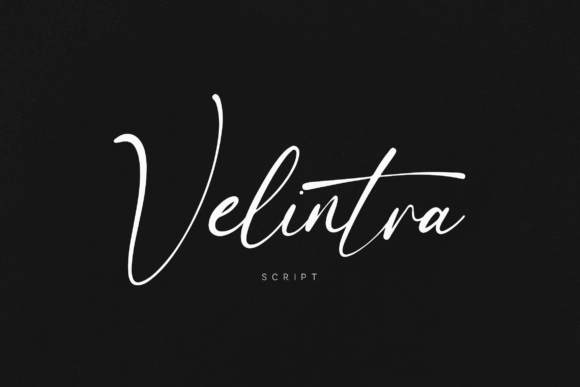
In the landscape of contemporary design, the choice of typeface often dictates the emotional resonance of a project. While rigid, geometric fonts serve a functional purpose, there is a growing demand for typography that feels human, organic, and alive. Velintra answers this call by offering a modern script experience defined by smooth, flowing strokes and carefully balanced letterforms. It is not merely a font; it is a tool for capturing natural movement, transforming static text into a visual rhythm that guides the viewer’s eye effortlessly across the page.
What sets Velintra apart is its ability to bridge the gap between the chaotic energy of raw handwriting and the structured legibility required in professional branding. It delivers a clean, refined aesthetic that avoids the pitfalls of overly decorative scripts, which can often be difficult to read in smaller sizes. For designers, marketers, and creators, Velintra provides a versatile foundation that adapts to various contexts while maintaining a distinctive, polished character.
The Anatomy of Fluidity: Understanding Velintra’s Design
To utilize a font effectively, it helps to understand its construction. Velintra is built upon a foundation of consistent rhythm. This means that even though the letters connect and flow, they do so with a mathematical balance that ensures stability. The soft curves are not arbitrary; they are calibrated to create a visually pleasing flow that mimics the natural pressure and release of a pen on paper.
This design philosophy makes Velintra particularly interesting for projects that require a touch of elegance without sacrificing modernity. It avoids the nostalgic, vintage feel of traditional calligraphy, opting instead for a contemporary look. Whether you are designing a logo for a boutique hotel or crafting a header for a lifestyle blog, the font’s inherent clarity ensures that your message is communicated with sophistication.
Key Characteristics of Velintra
- Smooth Connectivity: The ligatures are designed to flow naturally, reducing visual friction.
- Balanced Letterforms: Unlike whimsical scripts, Velintra maintains a steady baseline and x-height, aiding in legibility.
- Clean Aesthetic: It strips away the noise of rough textures, offering a crisp vector-ready appearance.
Practical Applications: Where Velintra Shines
The true value of a typeface lies in its application. Velintra is designed to be a workhorse for creative layouts, but it truly shines in specific scenarios where its fluid nature can take center stage. Below, we explore how different professionals can integrate this font into their workflows.
1. Branding and Logo Design
For small business owners and entrepreneurs, a logo is the face of the brand. Velintra offers a solution for brands that want to appear approachable yet professional. Because of its balanced letterforms, it works exceptionally well for logos in the beauty, wellness, fashion, and lifestyle industries. It suggests a personal touch—implying that there are real humans behind the business—without looking sloppy or unprofessional.
Practical Tip: When using Velintra for a logo, consider pairing it with a clean, geometric sans-serif font for supporting text. This contrast highlights Velintra’s flowing nature while ensuring that contact information or taglines remain highly legible.
2. Editorial and Blogging Headers
Bloggers and content creators often struggle to find a font that captures attention without overwhelming the content. Velintra is ideal for eye-catching headlines. Its smooth strokes draw the reader in, creating a visual entry point that feels inviting. For travel bloggers, food writers, or creative educators, using Velintra for H1 and H2 tags can define the site's personality immediately upon loading.
3. Packaging and Product Design
In the realm of physical products, shelf appeal is everything. Velintra adapts easily to packaging design, particularly for artisanal goods. Imagine a candle label, a skincare bottle, or a coffee bag featuring Velintra. The font’s natural movement conveys a sense of craftsmanship and care. It works beautifully on textured backgrounds, provided there is sufficient contrast, allowing the text to remain the focal point.
Strategies for Effective Implementation
While Velintra is visually appealing, its effectiveness depends on how it is implemented. As a script font, it requires a slightly different approach than standard body text. Here are strategies to ensure your designs remain clear, effective, and organized.
Hierarchy and Contrast
Script fonts are generally not recommended for long blocks of body copy due to legibility issues at small sizes. Velintra is best used for display purposes. Use it to establish hierarchy by setting it at larger sizes for headlines or pull quotes. Pair it with a neutral serif or sans-serif for the main body text. This creates a visual hierarchy that guides the reader naturally from the expressive headline to the informative body copy.
Spacing and Legibility
Because Velintra features flowing strokes, it is essential to pay attention to tracking (letter spacing) and leading (line spacing). While the font is designed with built-in balance, overly tight line spacing can cause the ascenders and descenders to clash, reducing readability. Give the text room to breathe. If you are using Velintra for a logo, you may want to manually adjust the kerning to ensure the connections between specific letter pairs look seamless.
Color and Context
The soft curves of Velintra pair best with simple color palettes. Avoid using the font on overly busy backgrounds where the delicate strokes might get lost. High-contrast combinations—such as dark text on a light background or vice versa—allow the font’s refinement to stand out. For a more subtle approach, using Velintra in a muted tone can create a sophisticated watermark effect for stationery or digital backgrounds.
Adapting Velintra for Different Audiences
The versatility of Velintra allows it to be interpreted differently depending on the target audience. Understanding this adaptability is key to maximizing its potential.
- For the Corporate Sector: Use Velintra sparingly to soften the rigidity of corporate communications. It can add a human touch to presentation slides or internal newsletters without compromising professionalism.
- For the Creative Sector: Push the boundaries of scale. Use Velintra in massive headers for portfolio websites or event posters to showcase its structural beauty.
- For Educators and Hobbyists: The approachable nature of the font makes it excellent for educational materials or crafting projects. It feels personal and friendly, making content feel less intimidating.
Maintaining Originality
It is worth noting that popular fonts can sometimes lead to generic-looking designs. To keep your use of Velintra original, focus on composition rather than just the font itself. Use the font's curves to interact with other design elements. For example, you could align a graphic element to follow the slant of the text, or use the negative space within the letters to highlight an image. By integrating the font into the broader layout rather than treating it as an isolated element, you ensure that your design remains unique and audience-friendly.
Conclusion: The Power of Flow
Velintra represents a shift towards more expressive, human-centered typography. It proves that professionalism does not require rigidity, and that clarity can coexist with artistic flair. Whether you are a freelancer looking to refresh your portfolio, a marketer aiming to create more engaging campaigns, or a designer seeking a reliable script font, Velintra offers the tools to do so. Its clean, refined handwritten style is more than just an aesthetic choice—it is a way to bring natural movement and contemporary polish to every project you undertake.