Beyond the Glyph: How the Henry Typeface is Capturing the Essence of Modern Luxury
In the rapidly evolving landscape of digital design, the tools we use to communicate are undergoing a profound transformation. Gone are the days when a simple, functional typeface was sufficient for most projects. Today, in an era defined by visual saturation and the relentless pursuit of authenticity, the choice of typography has become a critical strategic decision. It is no longer merely a vessel for words but a potent symbol of brand identity, emotional resonance, and perceived value. It is within this context that Henry, a premium serif typeface, has emerged not just as a font, but as a comprehensive design philosophy for those who refuse to compromise on elegance and detail.
Understanding the Henry Aesthetic: More Than Just a Serif
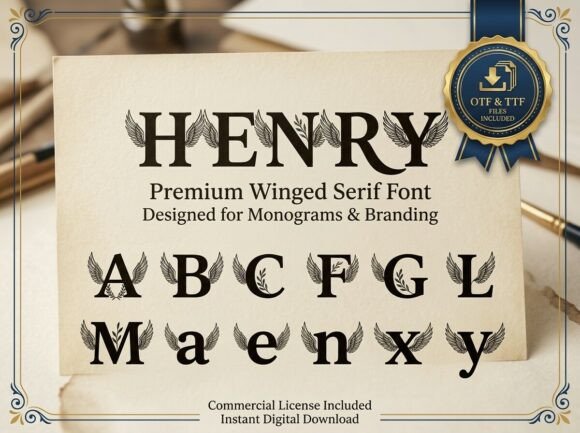
At its core, Henry is a meticulously crafted serif typeface. However, to describe it as such is to describe a masterwork painting as merely "colored oil on canvas." What distinguishes Henry is its integrated ornamental philosophy. Each character is not simply drawn; it is sculpted with exquisitely detailed wings and delicate leaf accents. These are not afterthoughts or simple swashes appended to standard letterforms. Instead, they are intrinsic to the anatomy of each glyph, creating a cohesive and organic visual language that speaks of nature, craftsmanship, and timelessness.
This design approach positions Henry at the intersection of several major creative currents. Firstly, it taps into the growing biophilic design trend, where creators seek to incorporate natural elements and patterns into digital and physical spaces to foster a sense of calm and connection. The leaf accents are a direct nod to this movement, offering a subtle, sophisticated way to inject organic warmth into otherwise sterile digital layouts. Secondly, it aligns with the resurgence of Art Nouveau and Arts and Crafts aesthetics, which celebrate artisanal detail and the rejection of mass-produced uniformity. In a market flooded with geometric sans-serifs and clean, minimalist typefaces, Henry offers a return to a more personalized, human-centric form of expression.
The Market Demand for Bespoke Typography
The rise of Henry is not an isolated event but a direct response to shifting consumer and professional expectations. Several key factors are driving the demand for such a specialized typeface:
- The Authenticity Economy: Consumers, particularly in the luxury, wedding, and artisanal sectors, are increasingly drawn to brands that tell a story. A generic font can feel corporate and impersonal. Henry, with its handcrafted aesthetic, immediately communicates a narrative of care, heritage, and bespoke quality. It allows a freelance calligrapher or a small jewelry brand to project an image of established prestige without the cost of custom lettering.
- The Democratization of Luxury: High-end design was once the exclusive domain of agencies with large budgets. Today, powerful software and premium assets like Henry empower entrepreneurs, marketers, and creators to achieve a level of sophistication that was previously unattainable. It levels the playing field, allowing a boutique wedding planner to design stationery that rivals that of a major luxury house.
- The Need for Emotional Connection: In digital marketing, emotional resonance is a key driver of engagement and conversion. Typography is a primary tool for evoking specific feelings. Henry is engineered to evoke feelings of grace, romance, and exclusivity. For a high-end fashion logo or a personalized monogram for jewelry branding, these emotional cues are not just desirable; they are essential for success.
Practical Applications: Where Henry Transforms Text into Art
The versatility of Henry lies in its ability to adapt to various high-stakes creative contexts while maintaining its distinctive character. Its design is not merely decorative but functionally sophisticated, ensuring legibility at various scales while preserving its ornamental integrity.
1. Branding and Logo Design
For brands in the luxury, wellness, beauty, and artisanal food sectors, a logo must instantly convey quality. Henry excels here. Consider a logo for a premium skincare line. Using Henry for the brand name instantly suggests purity, natural ingredients, and meticulous formulation. The subtle leaf accents can be selectively emphasized or simplified for different applications—from a full, detailed version for packaging to a more restrained version for digital favicons—demonstrating a thoughtful and scalable brand identity.
2. Wedding and Event Stationery
The wedding industry is a natural home for Henry. The boutique wedding invitation suite is a prime example. The typeface’s ethereal aesthetic and integrated flourishes eliminate the need for excessive additional graphics. It can set the tone for an entire event, from save-the-date cards to ceremony programs and thank-you notes, creating a seamless and unforgettable experience for guests. The font itself becomes a central decorative element, reducing design clutter and focusing attention on the elegance of the typography.
3. Editorial and Publishing
While primarily a display font, Henry finds powerful use in editorial design for magazine headers, book titles, and pull quotes in lifestyle and art publications. It commands attention and establishes a sophisticated tone. A feature article on sustainable architecture or contemporary fine art would be perfectly complemented by a headline set in Henry, bridging the gap between visual art and the written word.
4. Digital Presence and Social Media
In the crowded space of social media, a distinctive visual identity is crucial. Henry can be used to create stunning Instagram story templates, quote graphics, and profile headers that stand out in a feed. For a lifestyle influencer or a coach targeting a discerning audience, it helps build a cohesive and premium aesthetic that reinforces their personal brand.
Integrating Henry into Modern Workflows
Adopting a typeface like Henry requires more than just installation; it demands a thoughtful integration into the creative process. Here are key considerations for professionals:
- Context is King: Henry is a statement font. It should be used where its details can shine and be appreciated—typically in headlines, logos, and short, impactful text blocks. Overusing it in long body copy can lead to visual fatigue. Pair it with a clean, simple sans-serif for body text to create a balanced and readable hierarchy.
- Leverage OpenType Features: A premium font like Henry often comes with a wealth of OpenType features, including alternative glyphs, ligatures, and stylistic sets. Savvy designers will explore these to customize the look further, perhaps using a more elaborate swash for a monogram or a simpler alternate for a subhead. This allows for nuanced control and unique typographic compositions.
- Color and Spacing: The intricate details of Henry benefit from careful kerning and tracking. Allowing the letters to breathe prevents the ornamental elements from feeling cramped. Similarly, its aesthetic pairs beautifully with a muted, sophisticated color palette—think deep charcoals, warm ivories, forest greens, and metallic accents like gold or copper foil.
A Forward-Looking Asset in a Visual World
The trajectory of digital design points toward greater personalization, emotional intelligence, and a blending of the digital with the tactile. Henry is a typeface built for this future. It represents a move away from the cold efficiency of purely functional design and toward a more human, expressive, and story-driven approach.
For the professional designer, it is a tool that expands their creative vocabulary. For the entrepreneur, it is a secret weapon for building instant brand equity. For the marketer, it is a means to forge deeper emotional connections with an audience. As we continue to seek meaning and beauty in the digital artifacts we create and consume, typefaces like Henry will not just be relevant; they will be essential. It is a testament to the idea that in our most sophisticated communications, every curve, every accent, and every leaf matters.