Orion: A Deep Dive into a Display Font Designed for Impact
Understanding the Role of a Display Typeface
In the vast universe of typography, not every font is created for the same purpose. While body text fonts like Times New Roman or Open Sans are designed for readability in long paragraphs, display typefaces serve a completely different function. These are the fonts that live on billboards, movie posters, and the front pages of magazines. Orion is a prime example of this category. It is not a font you would use to write a novel; rather, it is a tool designed to stop a viewer in their tracks and demand attention.
When we talk about Orion, we are discussing a "decorative display font." This classification implies that the letterforms are more artistic and stylized than standard text fonts. The primary goal of Orion is visual personality. It brings a unique aesthetic flavor to a project, making it ideal for creators who want to break away from the ordinary and inject a sense of artistry into their work. Whether you are a graphic designer, a small business owner, or a creative professional, understanding how to harness the power of a font like Orion can significantly elevate your visual communication.
The Distinctive Characteristics of Orion
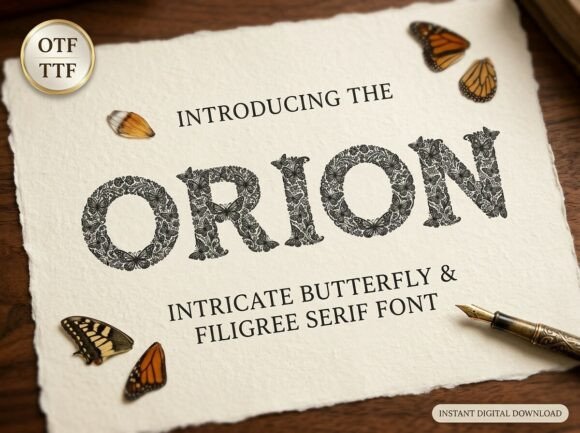
What sets Orion apart from thousands of other fonts? The answer lies in its design philosophy. Orion is described as having "unique artistic elements" and a "strong visual personality." In practical terms, this means the shapes of the letters likely feature interesting curves, serifs, or decorative swashes that you wouldn't find in a standard geometric sans-serif font. It is crafted to be the center of attention.
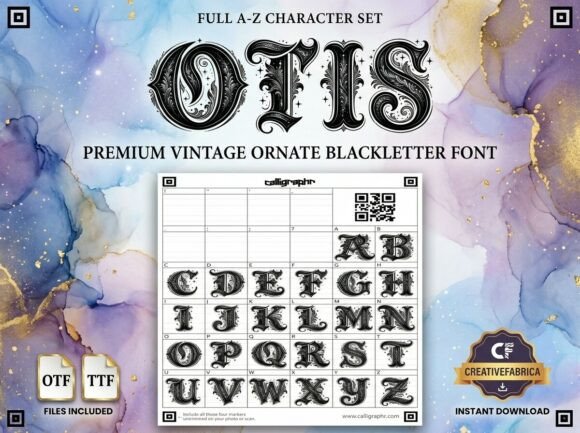
One of the most critical features of Orion—and a point of consideration for users—is that it is an ALL-CAPS typeface. This is a common trait among decorative display fonts. By focusing exclusively on uppercase letters, the designer can create highly detailed and impactful letterforms without worrying about the flow and spacing required for lowercase text in paragraphs. This makes Orion specifically designed for high-impact headlines, logos, and decorative initials.
Despite its artistic flair, Orion maintains a professional and polished finish. This is a crucial balance to strike. A font can be wild and creative, but if it looks unfinished or sloppy, it won't work for professional branding. Orion manages to bridge the gap between creativity and professionalism, making it versatile enough for corporate logos that need a bit of edge or artistic packaging that requires a high-end look.
Practical Applications: Where to Use Orion
The versatility of Orion allows it to be applied across a wide range of creative projects. Because it is a display font, it shines brightest when used for short bursts of text. Here are some practical scenarios where Orion could be the perfect choice:
- Logo Design: A logo needs to be memorable. Using Orion for a wordmark logo can instantly give a brand a sophisticated or artistic identity. Its strong visual personality ensures that the brand name stands out.
- Headlines and Titles: In web design or print media, the headline is the hook. Orion can be used for blog post titles, magazine headers, or poster titles to grab the reader's eye immediately.
- Creative Packaging: If you are designing packaging for a luxury product, an artisanal good, or a creative service, Orion can add a layer of tactile quality to the design. It suggests that the product inside is crafted with care.
- Social Media Graphics: In the fast-scrolling environment of Instagram or TikTok, you have milliseconds to capture attention. Bold, decorative text like Orion can stop the scroll and communicate a message quickly.
- Wedding Invitations and Event Stationery: For events that require a touch of elegance and custom design, Orion works beautifully for monograms, initials, or the names of the hosts.
Technical Considerations and File Formats
When purchasing or downloading a font like Orion, you will typically receive specific file formats designed to ensure compatibility with your software. Understanding these files helps ensure a smooth workflow.
You will likely receive an OTF (OpenType Font) file. This is considered the professional standard. OTF files offer advanced typographic features and are compatible with most modern design software, including Adobe Illustrator, Photoshop, and InDesign. For designers working on complex layouts, the OTF version of Orion is usually the preferred choice.
Additionally, you may receive a TTF (TrueType Font) file. This is the standard file for universal compatibility. If you are using older software or need to ensure the font works seamlessly across various operating systems (Windows and macOS) without issues, the TTF file is the reliable go-to. Having both formats ensures that Orion can be installed and used by virtually anyone, regardless of their technical setup.
Evaluating Suitability: Strengths and Limitations
Every tool has its strengths and limitations, and Orion is no exception. Evaluating whether this font is right for your project requires an honest look at its capabilities.
Strengths
The primary strength of Orion is its ability to convey emotion and style instantly. It does the heavy lifting of visual branding for you. If you want your project to look artistic, modern, or high-end, Orion provides that aesthetic immediately. It is also highly legible at large sizes, which is exactly what a display font should do.
Limitations
The most significant limitation is its classification as an ALL-CAPS typeface. As noted in the specifications, Orion does not include lowercase letters. This means you cannot use it for body text, long descriptions, or any situation where you need to write a full paragraph. Using all caps for long blocks of text is generally bad practice for readability, as it removes the distinct shapes of words that our brains use to read quickly.
Furthermore, because Orion is decorative, it may not pair well with other highly stylized fonts. It works best when contrasted with a simple, clean sans-serif or serif font for the supporting text. When using Orion, think of it as the "shout" and your body text as the "explanation."
Guidance for Creators and Business Owners
If you are a business owner or a creator considering Orion for your next project, here is some practical guidance to help you decide.
- Define Your Brand Voice: Does your brand identity call for something bold, artistic, and commanding? If you are a law firm, Orion might be too whimsical. If you are a creative agency, a fashion brand, or a high-end café, it could be perfect.
- Test Before You Commit: Before finalizing a logo or a massive print run, test Orion in context. Place it next to your product images or body text to see if the visual weight is balanced.
- Respect the Uppercase Rule: Do not try to force Orion into a role it wasn't designed for. Accept that it is a headline font. Use it for 1 to 5 words at a time for maximum impact.
- Check Licensing: Ensure that the license for Orion covers your intended use. Most standard licenses cover web and print, but if you plan to embed it in an app or use it on high-volume merchandise, check the terms.
Conclusion: Is Orion Right for You?
Orion represents the intersection of art and utility. It is a tool for those who refuse to settle for the ordinary and want their text to be seen as a visual element, not just a carrier of information. By understanding its ALL-CAPS nature, its decorative style, and its professional finish, you can leverage Orion to create stunning logos, headlines, and packaging. It is a reminder that in the world of design, typography is not just about reading—it is about feeling. If your project requires a bold visual statement, Orion is a strong contender to help you achieve that goal.